
Children feel deeply—but they don’t always have the language to explain what’s going on inside. Big emotions like fear, anger, grief, confusion, or anxiety can get “stuck,” especially when a child doesn’t yet have the words, confidence, or emotional safety to talk about them. This is where sand tray therapy becomes a powerful and gentle tool.
In this article, we’ll explore how sand tray therapy helps children express emotions when words aren’t enough, why it’s especially effective for kids, and how it supports healing in a developmentally appropriate way. We’ll also look at who benefits most, what a session looks like, and why this approach aligns so well with trauma-informed, evidence-based mental health care.
What Is Sand Tray Therapy?
Sand tray therapy (sometimes called sandplay therapy) is an expressive therapy that allows children to communicate through play rather than speech alone. In a session, a child is invited to create a scene in a tray filled with sand using miniature figures—people, animals, buildings, nature items, fantasy characters, and more.
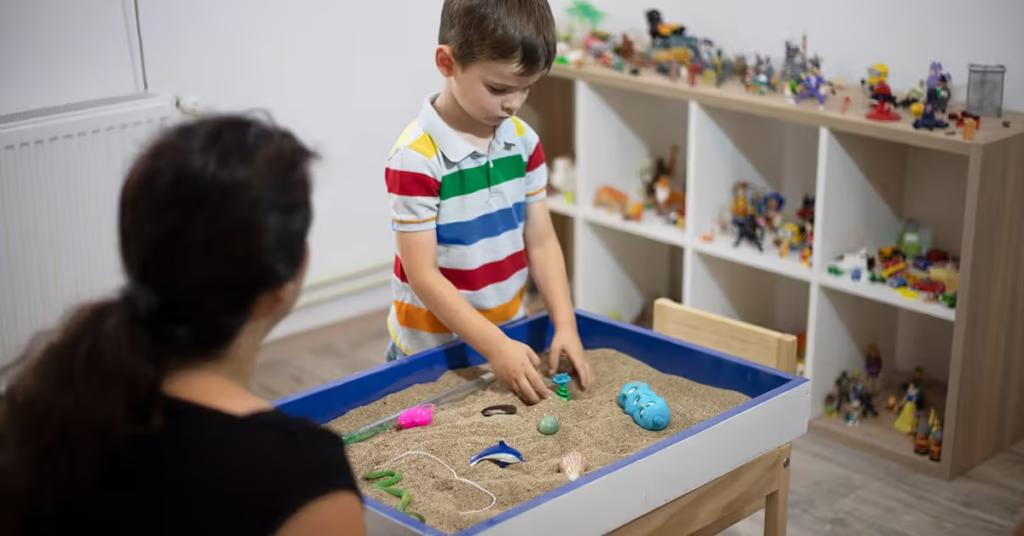
Instead of asking a child to “talk about your feelings,” the therapist provides a safe, supportive space where the child can show what’s happening inside.
This approach is especially effective for children because:
- Play is their natural language
- The sand tray feels non-threatening
- There’s no pressure to explain or perform
- Emotional expression happens organically
The tray becomes a bridge between a child’s inner world and the outside world.
Why Words Aren’t Always Enough for Kids
Many children—especially younger ones—struggle to verbalize emotions for several reasons:
- Limited emotional vocabulary
- Fear of getting in trouble for sharing feelings
- Shame or confusion around big emotions
- Trauma or anxiety that shuts down verbal expression
- Developmental stage where abstract thinking is still forming
When children can’t explain what they’re feeling, those emotions often show up as:
- Meltdowns or tantrums
- Withdrawal or shutdown
- Behavioral challenges at school
- Physical complaints (stomachaches, headaches)
- Sleep difficulties
Sand tray therapy bypasses the need for advanced language skills and taps directly into a child’s symbolic thinking, which develops earlier than verbal reasoning.
How Sand Tray Therapy Works (Step by Step)
1. A Safe, Supportive Environment
The therapist creates a calm, welcoming space where the child feels emotionally and physically safe. The sand tray itself is contained—this sense of boundaries helps children feel secure enough to explore difficult emotions.
2. Choice and Control
The child chooses:
- Which miniatures to use
- Where to place them
- Whether to talk or stay quiet
This sense of control is especially healing for children who feel powerless in other areas of life.
3. Symbolic Expression
A child might place:
- A lone figure far from others
- A monster guarding a house
- Animals fighting or hiding
- A hero protecting someone smaller
These symbols often represent real emotions, experiences, or relationships—even if the child never explains them out loud.
4. Gentle Therapeutic Support
The therapist observes patterns, themes, and emotional shifts while offering:
- Reflection (“I notice this figure is all alone”)
- Emotional validation
- Curiosity without judgment
Over time, the scenes may change—reflecting emotional processing, integration, and healing.
How Sand Tray Therapy Helps Children Heal Emotionally
1. It Gives Emotions a Voice Without Pressure
Children don’t have to find the “right words.” The sand tray does the talking for them. This is especially helpful for kids who feel overwhelmed, anxious, or shut down.
2. It Supports Trauma Processing
For children who’ve experienced trauma, verbal storytelling can feel re-traumatizing. Sand tray therapy allows trauma to be processed indirectly and safely, at the child’s own pace.
This aligns with trauma-informed care principles by:
- Avoiding forced disclosure
- Respecting nervous system limits
- Promoting emotional regulation
3. It Builds Emotional Awareness
As children create scenes and notice changes over time, they naturally develop:
- Emotional insight
- Cause-and-effect understanding
- A stronger connection between feelings and experiences
4. It Strengthens the Therapeutic Relationship
Trust grows when children feel understood without being interrogated. Sand tray therapy helps therapists meet children where they are—creating a strong, secure therapeutic bond.
Who Benefits Most From Sand Tray Therapy?
Sand tray therapy can be helpful for many children, but it’s especially effective for those experiencing:
- Anxiety or excessive worry
- Trauma or PTSD
- Grief and loss
- Divorce or family changes
- Behavioral challenges
- Difficulty expressing emotions
- School-related stress
- Neurodivergence (including ADHD or autism)
It’s also useful for teens and even adults, especially those who feel stuck in talk therapy alone.
Sand Tray Therapy vs. Traditional Talk Therapy
| Talk Therapy | Sand Tray Therapy |
|---|---|
| Relies heavily on words | Uses symbols and play |
| Can feel intimidating | Feels natural and engaging |
| Requires emotional vocabulary | Works even without words |
| Often adult-centered | Child-centered and developmentally appropriate |
This doesn’t mean talk therapy isn’t valuable—it simply means that children often need a different doorway into healing.
The Science Behind Sand Tray Therapy
Research shows that expressive therapies like sand tray therapy help regulate the nervous system, integrate emotional experiences, and support healthy brain development.
From a neuroscience perspective:
- Play engages the right hemisphere of the brain, where emotions and memories are stored
- Symbolic expression helps integrate experiences that are difficult to verbalize
- Sensory elements (touching sand, moving objects) support emotional regulation
This makes sand tray therapy especially effective for children who become dysregulated when asked to talk about feelings directly.
What Parents Often Notice Over Time
Parents frequently report improvements such as:
- Better emotional expression at home
- Fewer meltdowns or emotional shutdowns
- Increased confidence and self-esteem
- Improved behavior at school
- Greater emotional connection with caregivers
These changes often happen gradually and naturally, without the child ever feeling pushed or pressured.
Why a Skilled Therapist Matters
While sand tray therapy may look simple, it requires specialized training to interpret symbols ethically and support the child appropriately.
A trained therapist understands:
- Developmental stages
- Cultural and family context
- Trauma-informed care
- When to observe vs. when to gently intervene
This ensures therapy remains safe, respectful, and effective.
Sand Tray Therapy at Lighthouse Psychiatry
At Lighthouse Psychiatry, sand tray therapy is thoughtfully integrated into comprehensive mental health care for children and families.
Our clinicians understand that healing doesn’t always start with words. By combining expressive approaches like sand tray therapy with evidence-based practices, we help children feel seen, heard, and supported—at their own pace.
Our Services Include:
- Child and adolescent therapy
- Family therapy
- Trauma-informed care
- Anxiety and mood disorder treatment
- Play-based and expressive therapies
- Psychiatric evaluations and medication management (when appropriate)
We serve families across Arizona with locations and telehealth options designed to meet your needs.
Final Thoughts
When children don’t have the words, they still have stories to tell. Sand tray therapy gives those stories a safe place to unfold—one miniature, one grain of sand at a time.
If your child struggles to talk about emotions, or if traditional approaches haven’t felt like the right fit, sand tray therapy may offer a gentler, more natural path toward healing.
Learn more or schedule an appointment today at:
👉 https://lighthousepsychiatry.com/
You don’t have to navigate this alone—and neither does your child.