Mental health care is changing—and honestly, it needed to.
For many people living with depression, anxiety, PTSD, or mood disorders, traditional approaches like medication alone or talk therapy alone don’t always go far enough. You might feel a little better, but not fully yourself. Or you’ve tried multiple treatments and still feel stuck.
That’s where neuromodulation and psychedelic-inspired therapies come in—and more importantly, why combining them can be a game-changer.
Instead of asking “Which one is better?”, modern mental health care is starting to ask a more powerful question:
What happens when we thoughtfully combine brain-based treatments with deep psychological healing?
Let’s break it down in a way that actually makes sense.
The Shift Toward Whole-Brain, Whole-Person Healing
Mental health conditions don’t live in just one place.
They affect:
- Brain circuits
- Neurochemistry
- Nervous system regulation
- Thought patterns
- Emotional processing
- Sense of meaning and connection
Neuromodulation works from the outside in—directly influencing brain activity.
Psychedelic-inspired therapies work from the inside out—helping people process emotions, trauma, and insight in new ways.
When combined intentionally, they can support faster relief, deeper healing, and longer-lasting change.
What Is Neuromodulation?
Neuromodulation refers to treatments that directly influence how the brain functions using targeted stimulation or medications. These approaches are especially helpful when the brain’s natural signaling patterns are disrupted.
Common Neuromodulation Treatments in Mental Health
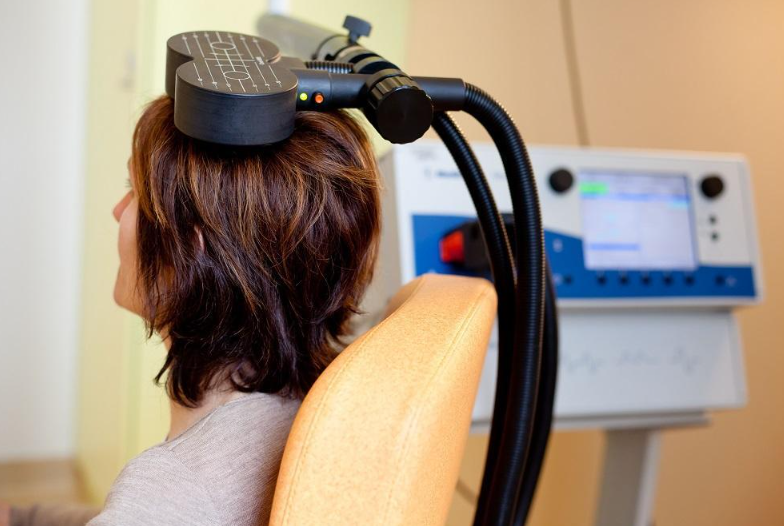
Transcranial Magnetic Stimulation (TMS)
- Uses magnetic pulses to stimulate specific brain regions
- FDA-cleared for depression and other conditions
- Non-invasive and medication-free
- Especially effective for treatment-resistant depression
Ketamine-Based Therapies
- Targets glutamate pathways in the brain
- Can rapidly reduce depressive symptoms
- Often helpful when traditional antidepressants fail
Neuromodulation focuses on resetting or strengthening underactive or dysregulated brain circuits—creating a neurological foundation for healing.
What Are Psychedelic-Inspired Therapies?
Psychedelic-inspired therapies don’t just focus on symptom reduction—they focus on meaning, insight, and emotional processing.
These therapies are carefully structured, clinically supervised, and grounded in evidence-based psychotherapy.
They often include:
- Preparation sessions
- Guided therapeutic experiences
- Integration therapy to process insights afterward
Rather than numbing emotions, these approaches help people access, understand, and integrate them safely.
Why Combining These Approaches Makes Sense
Here’s the simple truth:
Neuromodulation helps the brain become more flexible. Psychedelic-inspired therapy helps the mind use that flexibility for healing.
1. Neuromodulation Creates a Window of Opportunity
Treatments like TMS and ketamine can:
- Improve neuroplasticity
- Reduce emotional heaviness
- Quiet overactive stress responses
This creates a mental state where therapy becomes more effective, not harder.
2. Psychedelic-Inspired Therapy Helps You Use That Window
Once the brain is more adaptable, therapy can:
- Address trauma safely
- Reframe long-held beliefs
- Process grief, shame, or fear
- Strengthen emotional insight
Together, they support both symptom relief and personal growth.
How This Combination Helps When Other Treatments Haven’t
Many patients seeking advanced treatments say things like:
- “I know what I should think, but I don’t feel it.”
- “Talk therapy helped, but I’m still stuck.”
- “Medication helped a bit, but not enough.”
That’s because:
- Talk therapy alone may not reach dysregulated brain circuits
- Medication alone may reduce symptoms without resolving root causes
Combining neuromodulation and psychedelic-inspired therapy addresses both the biology and the lived experience of mental health.
Conditions That May Benefit From a Combined Approach
This integrated model is often helpful for individuals experiencing:
- Treatment-resistant depression
- PTSD and trauma-related disorders
- Anxiety disorders
- Mood disorders
- Emotional numbness or burnout
- Depression with chronic stress or grief
It’s especially valuable when someone feels like they’ve “tried everything” and still don’t feel fully well.
The Role of Integration Therapy
One of the most overlooked—and most important—pieces is integration therapy.
Integration therapy helps you:
- Make sense of emotional experiences
- Apply insights to daily life
- Build lasting behavioral change
- Avoid feeling overwhelmed or confused
Without integration, even powerful experiences can fade. With it, healing becomes practical, grounded, and sustainable.
Safety, Structure, and Clinical Oversight Matter
This kind of care should never be rushed or done without proper support.
A responsible combined approach includes:
- Thorough psychiatric evaluation
- Medical oversight
- Clear treatment planning
- Trauma-informed therapy
- Ongoing monitoring and adjustment
The goal isn’t intensity—it’s stability, safety, and long-term wellness.
Why This Reflects the Future of Mental Health Care
Modern mental health care is moving away from:
- One-size-fits-all solutions
- Trial-and-error medication cycles
- Isolated treatments
And toward:
- Personalized treatment plans
- Brain-based + therapy-based care
- Data-informed, patient-centered healing
Combining neuromodulation and psychedelic-inspired therapies reflects a deeper understanding of how humans actually heal.
Services at Lighthouse Psychiatry That Support This Approach
At Lighthouse Psychiatry, care is designed around the understanding that healing works best when brain, mind, and nervous system are treated together.
Related Services Include:
- Transcranial Magnetic Stimulation (TMS)
- Ketamine-based therapies (including Spravato® where appropriate)
- Integration therapy
- Trauma-informed psychotherapy
- Depression and anxiety treatment
- PTSD care
- Comprehensive psychiatric evaluations
- Medication management
- In-person and telehealth services across Arizona
Each treatment plan is individualized—because no two brains or stories are the same.
Final Thoughts: Healing Isn’t About Choosing One Path
It’s not neuromodulation or therapy.
It’s not biology or insight.
For many people, real healing happens when both work together.
Combining neuromodulation with psychedelic-inspired therapies allows for:
- Faster symptom relief
- Deeper emotional processing
- Long-lasting change
- A renewed sense of hope
If you’ve been feeling stuck—or if traditional approaches haven’t given you the relief you deserve—there are more options than you may realize.
Ready to Explore a Personalized Treatment Plan?
If you’re curious whether neuromodulation, psychedelic-inspired therapies, or a combined approach could be right for you, the next step is a conversation—not a commitment.
👉 Book a consultation with Lighthouse Psychiatry today:
https://lighthousepsychiatry.com/
Your healing doesn’t have to be rushed—and you don’t have to do it alone.