
Healing Trauma Without Rushing: How EMDR, CBT, and Somatic Therapy Help You Feel Safe and Grounded
Healing from trauma isn’t about “getting over it” or pushing yourself to move on faster than you’re ready. Real healing happens when your mind and body feel safe enough to process what happened—without pressure, judgment, or deadlines.
If you’ve ever tried to talk through trauma and felt overwhelmed, shut down, or emotionally flooded, you’re not alone. Trauma doesn’t live only in thoughts—it lives in the nervous system, the body, and emotional memory. That’s why approaches like EMDR, Cognitive Behavioral Therapy (CBT), and Somatic Therapy can be so effective when used gently and intentionally.
In this guide, we’ll explore how these therapies help you heal without rushing, why feeling safe and grounded is essential, and how trauma-informed care supports long-term emotional well-being—especially for individuals seeking mental health care in Arizona.
Why Trauma Healing Should Never Be Rushed
Trauma changes how the brain and nervous system respond to stress. When something overwhelming happens, the body can get stuck in survival mode—fight, flight, freeze, or shutdown.
Rushing trauma healing can:
- Re-trigger emotional overwhelm
- Increase anxiety or dissociation
- Reinforce feelings of being unsafe
- Lead to burnout or avoidance of therapy
Trauma-informed therapy takes the opposite approach. Instead of asking “Why did this happen?” right away, it starts with:
- Safety
- Stabilization
- Grounding
- Choice and consent
Healing happens with your nervous system, not against it.
What Feeling “Safe and Grounded” Really Means
Before diving into therapy types, it helps to understand two foundational goals of trauma treatment:
Feeling Safe
This means:
- You’re not emotionally overwhelmed
- You feel respected and in control
- You’re not pushed to share more than you want
Safety is emotional, physical, and relational. Without it, the brain stays in survival mode.
Feeling Grounded
Grounding means:
- You feel present in your body
- You’re aware of the here and now
- Your emotions feel manageable
When you’re grounded, your nervous system can finally relax enough to heal.
EMDR: Healing Trauma Without Reliving It

Eye Movement Desensitization and Reprocessing (EMDR) is a trauma-focused therapy that helps the brain reprocess distressing memories so they no longer feel overwhelming.
How EMDR Works
Instead of retelling trauma in detail, EMDR uses bilateral stimulation (eye movements, tapping, or sounds) to help the brain:
- Reprocess stuck memories
- Reduce emotional intensity
- Create healthier associations
Trauma memories shift from feeling “current” to feeling in the past.
Why EMDR Feels Safer Than Traditional Talk Therapy
- You don’t have to explain every detail
- The therapist carefully monitors emotional intensity
- Sessions are structured and paced
- You can stop or slow down at any time
EMDR honors the idea that your brain already knows how to heal—it just needs the right conditions.
CBT: Rebuilding Safety Through Thought Patterns
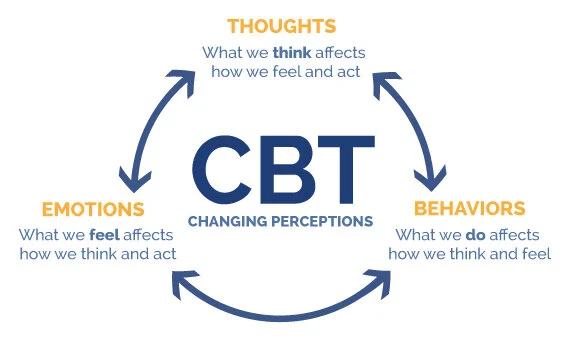
Cognitive Behavioral Therapy (CBT) focuses on the connection between thoughts, emotions, and behaviors. Trauma often leaves behind beliefs like:
- “I’m not safe.”
- “It was my fault.”
- “I can’t trust anyone.”
- “Something is wrong with me.”
CBT helps gently challenge and reshape these patterns.
How CBT Supports Trauma Healing
CBT helps you:
- Identify trauma-driven thought patterns
- Learn grounding and coping skills
- Reduce anxiety, panic, and avoidance
- Regain a sense of control
This approach is especially helpful once you’ve built some emotional safety and stability.
Why CBT Is More Effective When Trauma-Informed
Modern trauma-informed CBT goes beyond “just think positive.” It recognizes that:
- Thoughts are shaped by survival experiences
- Emotional responses make sense given what you’ve been through
- Skills must be practiced at a pace your nervous system can handle
CBT helps you rebuild trust in your own mind.
Somatic Therapy: Healing Through the Body
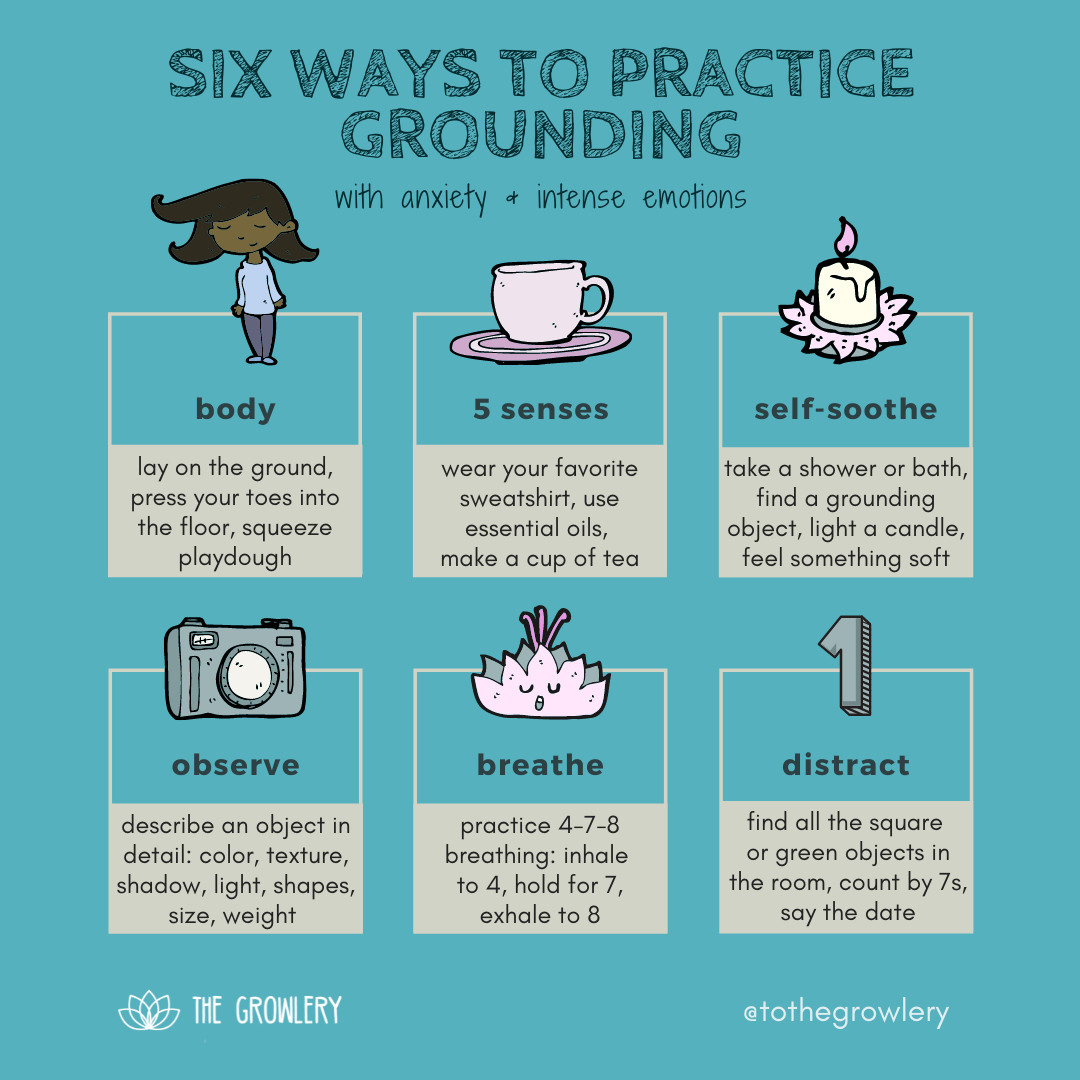
Trauma isn’t just remembered—it’s stored in the body. Somatic therapy focuses on physical sensations, movement, breath, and nervous system regulation.
What Somatic Therapy Looks Like
Instead of focusing on the story, somatic therapy asks:
- “What do you notice in your body right now?”
- “Where do you feel tension or calm?”
- “What helps you feel more settled?”
Sessions may include:
- Grounding exercises
- Breathwork
- Gentle movement
- Awareness of physical sensations
Why the Body Matters in Trauma Healing
Trauma can cause chronic tension, numbness, or hypervigilance. Somatic therapy helps:
- Release stored stress
- Restore mind-body connection
- Build tolerance for emotions
- Create a sense of internal safety
For many people, this is the missing piece after talk therapy alone.
Why These Therapies Work Best Together
Trauma healing is not one-size-fits-all. Many people benefit from a blended approach, using EMDR, CBT, and somatic therapy together.
Each supports a different layer of healing:
- EMDR helps reprocess traumatic memories
- CBT reshapes beliefs and coping patterns
- Somatic therapy calms the nervous system
Together, they create a holistic, sustainable path toward healing—without rushing.
Signs You’re Healing (Even If It’s Subtle)
Trauma healing is often quiet and gradual. Signs of progress may include:
- Feeling more present in daily life
- Improved sleep or concentration
- Less emotional reactivity
- Greater self-compassion
- Increased sense of choice and control
Healing isn’t linear—and that’s okay.
Who Can Benefit From These Approaches?
These therapies can support individuals experiencing:
- PTSD or complex trauma
- Anxiety or panic disorders
- Depression linked to past experiences
- Childhood trauma
- Medical or relational trauma
- Chronic stress or emotional burnout
You don’t need to label your experience as “trauma enough” to deserve support.
Why Working With a Skilled Provider Matters
Trauma-informed therapy requires more than techniques—it requires:
- Strong therapeutic boundaries
- Ongoing consent and collaboration
- Cultural sensitivity
- Deep respect for your pace
A skilled provider knows when to slow down, when to stabilize, and when to process.
Trauma-Informed Care at Lighthouse Psychiatry
At Lighthouse Psychiatry, healing is never rushed. Our approach centers on safety, compassion, and individualized care—because no two healing journeys are the same.
Related Services We Offer:
- Trauma-informed therapy
- EMDR therapy
- Cognitive Behavioral Therapy (CBT)
- Somatic-based therapy approaches
- Anxiety and depression treatment
- PTSD and trauma recovery
- Psychiatric evaluations and medication management (when appropriate)
- Telehealth and in-person services across Arizona
Our clinicians work collaboratively with you, honoring your pace while helping you build the tools needed to feel grounded, empowered, and supported.
Final Thoughts
Healing trauma isn’t about forcing yourself to be “okay.” It’s about learning how to feel safe in your body, your mind, and your life again—step by step.
With the right support, evidence-based therapies like EMDR, CBT, and somatic therapy can help you reconnect with yourself, rebuild trust, and move forward without leaving parts of you behind.
Learn more or schedule an appointment today at:
👉 https://lighthousepsychiatry.com/
You deserve healing that feels steady, respectful, and truly supportive.