If you’re struggling with depression, one of the most frustrating parts of treatment can be the waiting.
You start a new antidepressant.
You’re told to “give it time.”
Four weeks pass. Maybe six.
You’re still not sure if it’s working.
That’s when many people begin asking:
Is there something that works faster?
In recent years, ketamine-based treatments have gained attention for their rapid antidepressant effects—especially for people who haven’t responded to traditional medications. But does faster automatically mean better? And how do these options actually compare?
Let’s break it down in a real, balanced way—so you can make an informed decision about what might be right for you.
Understanding Traditional Antidepressants
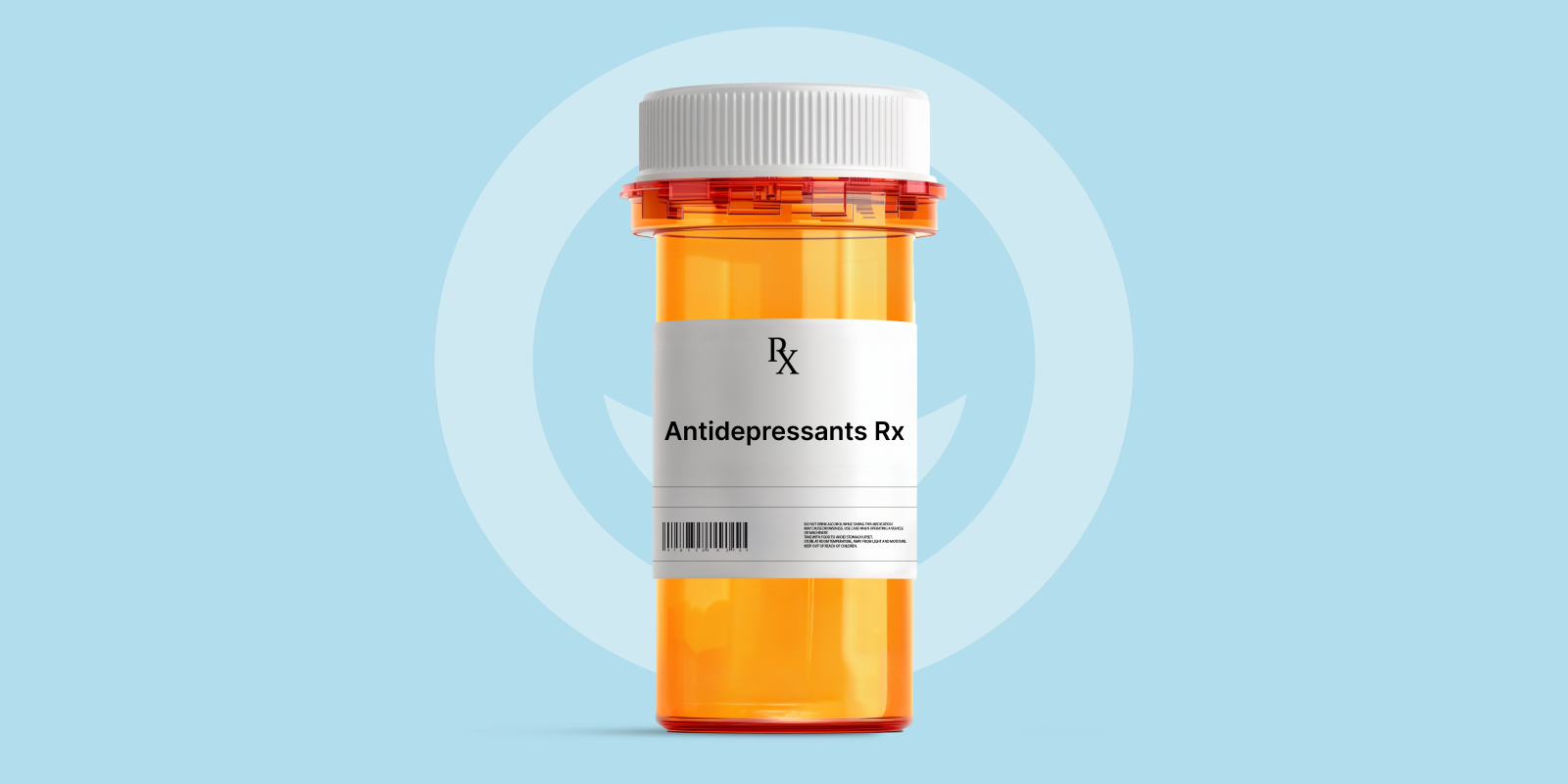
Traditional antidepressants have been used for decades and remain a first-line treatment for major depressive disorder (MDD).
Common Types of Antidepressants
- SSRIs (Selective Serotonin Reuptake Inhibitors)
- SNRIs (Serotonin-Norepinephrine Reuptake Inhibitors)
- Atypical antidepressants
- Tricyclic antidepressants (TCAs)
These medications work by adjusting levels of neurotransmitters like serotonin, norepinephrine, and dopamine.
How Long Do They Take to Work?
Most traditional antidepressants take:
- 2–4 weeks to show initial improvement
- 6–8 weeks (or longer) for full therapeutic effect
For someone in severe distress, that waiting period can feel overwhelming.
How Ketamine Works Differently

Ketamine operates on a completely different pathway than traditional antidepressants.
Instead of targeting serotonin, ketamine works primarily on the glutamate system, which plays a key role in:
- Neuroplasticity (the brain’s ability to adapt and rewire)
- Mood regulation
- Stress response
This mechanism allows ketamine to potentially produce effects much faster than conventional medications.
How Fast Can Ketamine Work?
Some patients report:
- Mood improvement within hours to days
- Significant symptom reduction within the first week
- Rapid decrease in suicidal ideation
This is one of the reasons ketamine has become an important option for treatment-resistant depression.
Speed Comparison: Ketamine vs Antidepressants
Let’s answer the main question clearly:
What Works Faster?
| Treatment | Typical Onset Time |
|---|---|
| SSRIs/SNRIs | 2–6 weeks |
| Ketamine / Esketamine | Hours to days |
From a purely speed-based perspective, ketamine often works faster.
But speed isn’t the only factor to consider.
What About Effectiveness?
Traditional Antidepressants
- Effective for many people
- Backed by decades of research
- Often used long-term
- May require dosage adjustments
However:
- About 30–40% of individuals don’t respond adequately
- Some experience side effects
- Trial-and-error can take months
Ketamine
- Particularly effective for treatment-resistant depression
- Can reduce symptoms quickly
- May improve emotional numbness and anhedonia
However:
- Requires in-clinic administration (depending on type)
- Effects may require maintenance treatments
- Should always be medically supervised
Treatment-Resistant Depression: Where Ketamine Shines
Treatment-resistant depression (TRD) is typically defined as:
Depression that hasn’t improved after trying at least two antidepressants at adequate doses and durations.
For individuals with TRD, ketamine can:
- Offer relief when other medications failed
- Reduce hopelessness quickly
- Create a “window” for therapy to become more effective
This rapid shift can be life-changing—especially when someone feels stuck.
Safety and Monitoring: Why Medical Oversight Matters
Ketamine is not a take-home daily pill like SSRIs.
Depending on the form, it may involve:
- In-clinic administration
- Monitoring during and after treatment
- Structured dosing schedules
FDA-approved esketamine (Spravato®) requires administration in a certified medical setting.
Traditional antidepressants also require medical oversight—but typically with:
- Routine follow-ups
- Gradual dose adjustments
- Monitoring for side effects
Both options require professional guidance.
Side Effects Comparison
Traditional Antidepressants May Cause:
- Nausea
- Sleep changes
- Sexual side effects
- Weight changes
- Emotional blunting
Ketamine May Cause:
- Temporary dissociation
- Dizziness
- Increased blood pressure (short-term)
- Fatigue after treatment
Most ketamine-related side effects are short-lived and monitored in a clinical setting.
Long-Term Strategy: Is Faster Always Better?
Here’s where nuance matters.
Ketamine may work faster—but many patients still benefit from:
- Ongoing therapy
- Medication management
- Lifestyle support
- Maintenance treatments
Traditional antidepressants may take longer to work, but they:
- Can provide stable long-term management
- Are accessible and widely covered by insurance
- Have predictable dosing structures
The real question isn’t just “what works faster?”
It’s:
What fits your brain, your history, and your current level of distress?
Can They Be Used Together?
Yes—in many cases.
Some patients:
- Continue traditional antidepressants while receiving ketamine
- Use ketamine to “break through” severe episodes
- Combine medication with psychotherapy
A personalized treatment plan often delivers the best results.
Who Might Consider Ketamine?
You may want to explore ketamine-based treatment if:
- You’ve tried multiple antidepressants without success
- You need faster symptom relief
- You struggle with suicidal thoughts
- You feel emotionally numb despite medication
- You want an alternative pathway
Who Might Do Well With Traditional Antidepressants?
Traditional medications may still be appropriate if:
- This is your first depressive episode
- You haven’t tried medication before
- Your symptoms are moderate rather than severe
- You prefer daily oral medication
- You respond well to SSRIs historically
Why Therapy Still Matters
Whether you choose ketamine, traditional antidepressants, or both—therapy plays a critical role.
Medication can:
- Reduce symptom intensity
- Stabilize mood
- Improve sleep and energy
But therapy helps you:
- Address root causes
- Change behavioral patterns
- Build coping strategies
- Process trauma
Fast relief is powerful—but sustainable healing requires support.
Mental Health Care in Arizona: Choosing the Right Partner
If you’re exploring options like ketamine or adjusting antidepressants, the most important factor isn’t just the medication—it’s the provider.
You want a team that:
- Performs comprehensive evaluations
- Reviews your full psychiatric history
- Monitors safety carefully
- Offers therapy integration
- Creates a personalized treatment plan
That’s where specialized psychiatric care makes a difference.
Services at Lighthouse Psychiatry
At Lighthouse Psychiatry, treatment plans are tailored to each individual’s needs—whether that involves traditional antidepressants, ketamine-based therapies, or a combined approach.
Related Services Include:
- Comprehensive psychiatric evaluations
- Medication management
- Treatment-resistant depression care
- Ketamine-based therapy options
- Spravato® (esketamine) treatment
- Transcranial Magnetic Stimulation (TMS)
- Trauma-informed psychotherapy
- Anxiety and mood disorder treatment
- In-person and telehealth appointments across Arizona
The goal isn’t just faster treatment—it’s smarter, safer, and more effective care.
Final Thoughts: So, What Works Faster?
If we’re answering strictly based on onset of action:
👉 Ketamine often works faster.
But the better question is:
What works best for you?
Some people need rapid relief.
Others benefit from steady, long-term medication.
Many thrive with a combination.
Depression treatment isn’t one-size-fits-all—and it shouldn’t be.
If you’re feeling stuck, discouraged, or tired of waiting for improvement, know this: you have options.
And you don’t have to figure them out alone.
To explore whether ketamine, traditional antidepressants, or another approach may be right for you, visit:
👉 https://lighthousepsychiatry.com/
Your healing timeline matters—and the right support can make all the difference.