
If you’ve been researching advanced treatments for depression, you’ve probably come across two powerful options: ketamine therapy and Transcranial Magnetic Stimulation (TMS).
Both have helped individuals who didn’t respond to traditional antidepressants. Both are backed by growing clinical research. And both target the brain in different—but complementary—ways.
So naturally, a bigger question is starting to come up:
What happens if you combine them?
More specifically—does using ketamine before TMS improve outcomes?
This idea is often referred to as ketamine priming before TMS. Let’s break down what that means, the science behind it, who it may benefit, and what you should consider before exploring this approach.
First, What Is TMS?
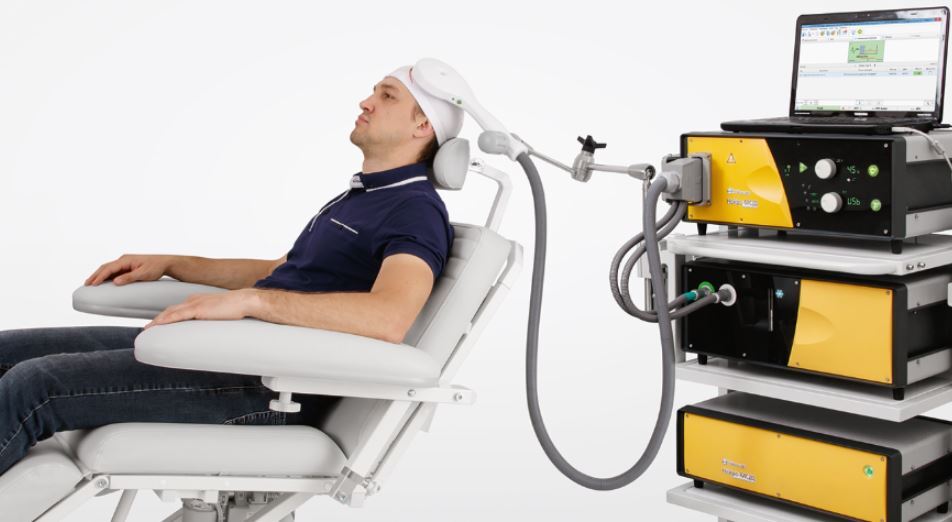
Transcranial Magnetic Stimulation (TMS) is an FDA-cleared, non-invasive treatment for major depressive disorder (MDD), particularly for individuals with treatment-resistant depression.
TMS works by:
- Delivering targeted magnetic pulses
- Stimulating underactive brain regions (often the left prefrontal cortex)
- Improving neural communication
- Enhancing neuroplasticity
Unlike medication, TMS does not circulate through your entire body. It directly targets specific brain circuits involved in mood regulation.
At Lighthouse Psychiatry, TMS therapy is part of a comprehensive treatment plan for patients who need alternatives beyond medication alone.
What Is Ketamine Therapy?

Ketamine-based therapy is another advanced option for depression, especially when standard antidepressants haven’t worked.
Ketamine primarily affects the glutamate system, which plays a key role in:
- Mood regulation
- Synaptic growth
- Brain plasticity
- Stress response
Unlike SSRIs, which often take weeks to work, ketamine can sometimes reduce depressive symptoms within hours or days.
FDA-approved esketamine (Spravato®) is administered in a certified medical setting under supervision.
What Does “Ketamine Priming” Mean?
Ketamine priming refers to using ketamine treatment before starting TMS, with the goal of enhancing the brain’s responsiveness to TMS stimulation.
The theory is based on one key concept:
Ketamine rapidly increases neuroplasticity.
TMS strengthens and stabilizes neural circuits.
In simple terms:
- Ketamine may “open the window”
- TMS may help “lock in” long-term changes
The Science Behind the Combination
Neuroplasticity Is the Common Thread
Both ketamine and TMS influence neuroplasticity, which is the brain’s ability to rewire itself.
Ketamine:
- Promotes rapid synaptic growth
- Increases brain-derived neurotrophic factor (BDNF)
- Enhances connectivity
TMS:
- Stimulates specific mood-related circuits
- Strengthens targeted neural pathways
- Encourages long-term stabilization
Some researchers hypothesize that giving ketamine first may make the brain more receptive to TMS stimulation.
While ongoing studies are exploring this synergy, early findings suggest potential benefits for individuals with severe or treatment-resistant depression.
Potential Benefits of Ketamine Priming Before TMS
Though research is still evolving, possible advantages include:
1. Faster Initial Symptom Relief
Ketamine may reduce depressive severity quickly, which can:
- Improve motivation
- Increase engagement in treatment
- Reduce suicidal ideation
- Improve energy levels
This early improvement may help patients fully participate in TMS sessions.
2. Enhanced Brain Responsiveness
If ketamine increases synaptic plasticity, TMS delivered during this window could:
- Strengthen newly activated neural pathways
- Improve long-term remission rates
- Enhance durability of results
3. Support for Treatment-Resistant Depression
For patients who have:
- Failed multiple antidepressants
- Not responded fully to TMS alone
- Experienced relapse
A combined approach may offer renewed hope.
Who Might Be a Candidate?
Ketamine priming before TMS may be considered for individuals who:
- Have treatment-resistant depression
- Experience severe depressive episodes
- Have chronic depression with partial treatment response
- Need rapid stabilization before beginning a TMS protocol
However, this approach is not necessary for everyone. Many individuals do well with TMS alone.
A thorough psychiatric evaluation is essential before determining suitability.
Safety Considerations
Advanced treatments should never be rushed or self-directed.
Important factors include:
- Cardiovascular health
- Psychiatric history
- Substance use history
- Current medications
- Bipolar disorder screening
Both ketamine and TMS require careful medical oversight.
At Lighthouse Psychiatry, treatment plans are individualized and closely monitored to ensure safety and optimal outcomes.
What Does a Combined Treatment Plan Look Like?
A potential pathway might include:
- Comprehensive psychiatric evaluation
- Ketamine treatment series
- Transition into TMS sessions
- Ongoing symptom monitoring
- Integration therapy and medication management
Each step is personalized based on symptom severity and patient goals.
Is There Strong Research Yet?
Research on ketamine and TMS individually is robust.
Research specifically on ketamine priming before TMS is promising but still growing. Some clinical observations suggest synergy, while larger-scale trials are ongoing.
In modern psychiatric care, innovation often moves ahead of large randomized trials—but ethical providers always balance innovation with safety and evidence.
Why Personalized Psychiatry Matters
No two brains are identical.
Some individuals may respond to:
- TMS alone
- Ketamine alone
- Medication adjustments
- Combined protocols
The key is not chasing trends—it’s creating a treatment plan grounded in your history, symptoms, and goals.
The Bigger Picture: Why This Combination Makes Sense
Depression is not just about serotonin.
It involves:
- Network-level brain dysfunction
- Neuroplasticity deficits
- Emotional processing patterns
- Stress system dysregulation
Using both ketamine and TMS addresses different layers of brain function.
Ketamine may help reset the system.
TMS may reinforce healthier activity patterns.
Together, they may create a stronger foundation for long-term recovery.
Other Services That Support Recovery
Advanced treatments work best when combined with comprehensive care.
At Lighthouse Psychiatry, related services include:
- Comprehensive psychiatric evaluations
- Medication management
- TMS therapy
- Ketamine-based treatment options
- Spravato® (esketamine) administration
- Trauma-informed psychotherapy
- Anxiety and mood disorder treatment
- Telehealth and in-person services across Arizona
This whole-person approach supports both brain biology and emotional healing.
Final Thoughts: Does Ketamine Priming Improve Outcomes?
The honest answer?
It may—for the right patient.
Ketamine priming before TMS is not a universal solution. But for individuals with severe or treatment-resistant depression, it may:
- Accelerate relief
- Enhance neuroplasticity
- Improve response to TMS
- Offer renewed hope
The key is working with a psychiatric team experienced in advanced brain-based treatments.
If you’re feeling stuck, discouraged, or exhausted from trial-and-error medication cycles, there are options beyond standard care.
Ready to Explore Advanced Depression Treatment?
If you’re curious whether TMS, ketamine therapy, or a combined approach may be right for you, the next step is a professional evaluation—not guesswork.
👉 Contact Lighthouse Psychiatry today:
https://lighthousepsychiatry.com/contact-us/
Personalized, evidence-informed care can make a difference. And your brain deserves the best possible support.